
The complete guide
A Buyer's Guide to the Wooden Brain Teaser Puzzle Set
A hands-on activity without a screen
Sometimes you want an activity that starts with physical pieces rather than another screen. A wooden block puzzle offers a simple place to begin. Set out the board, look at the shapes and try an arrangement. If a piece does not fit where you expected, turn it or try another one.
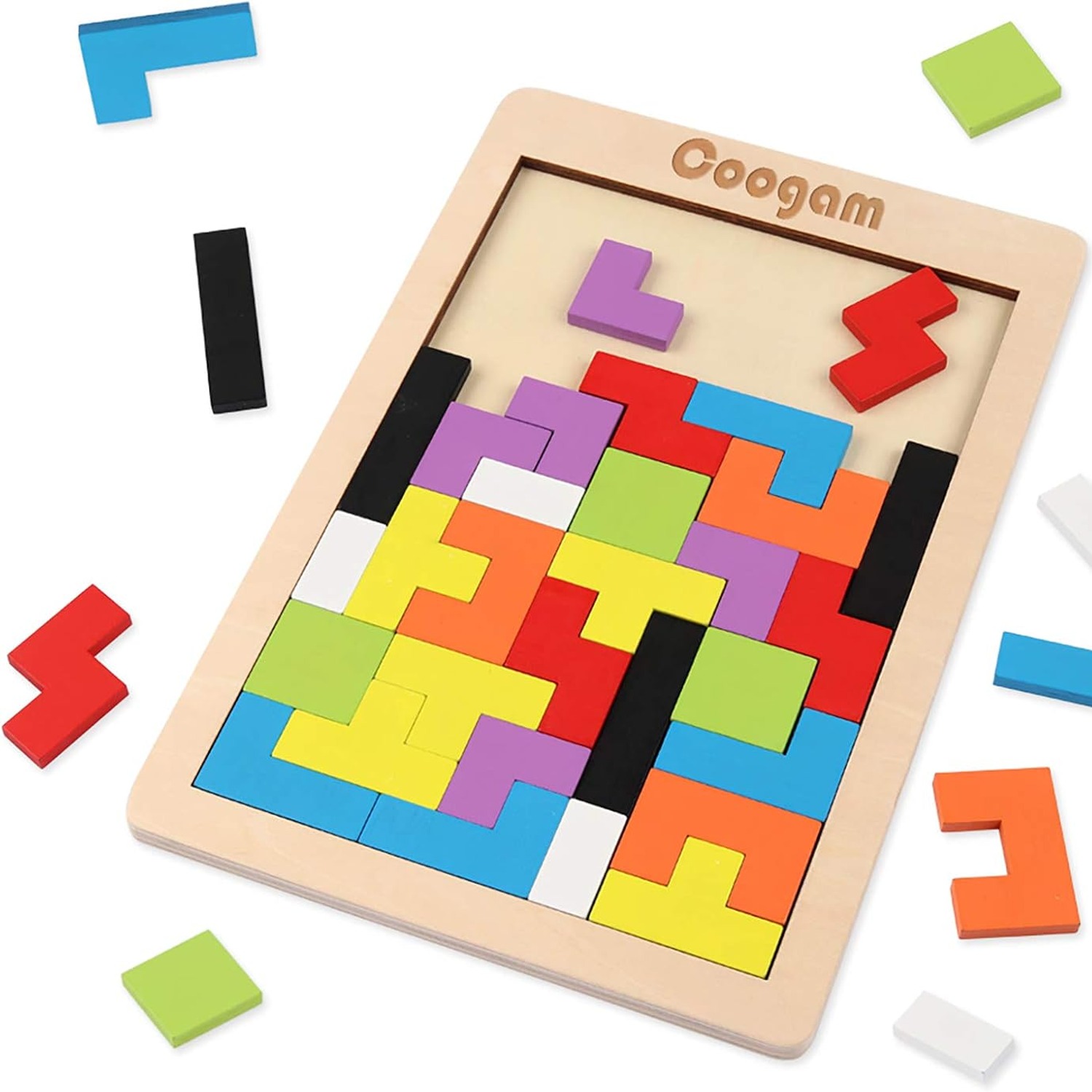
The Wooden Brain Teaser Puzzle Set contains 40 coloured wooden blocks and a board, with a manual included. It is listed for beginner-level play and one player. There are no batteries to replace, no charging steps and no electronic controls to learn.
The important question is whether this kind of puzzle matches the person who will use it. Someone who enjoys moving shapes around may like the open-ended format. Someone expecting a detailed model kit or a fixed picture jigsaw should look closely at the description before choosing.
What is in the set?
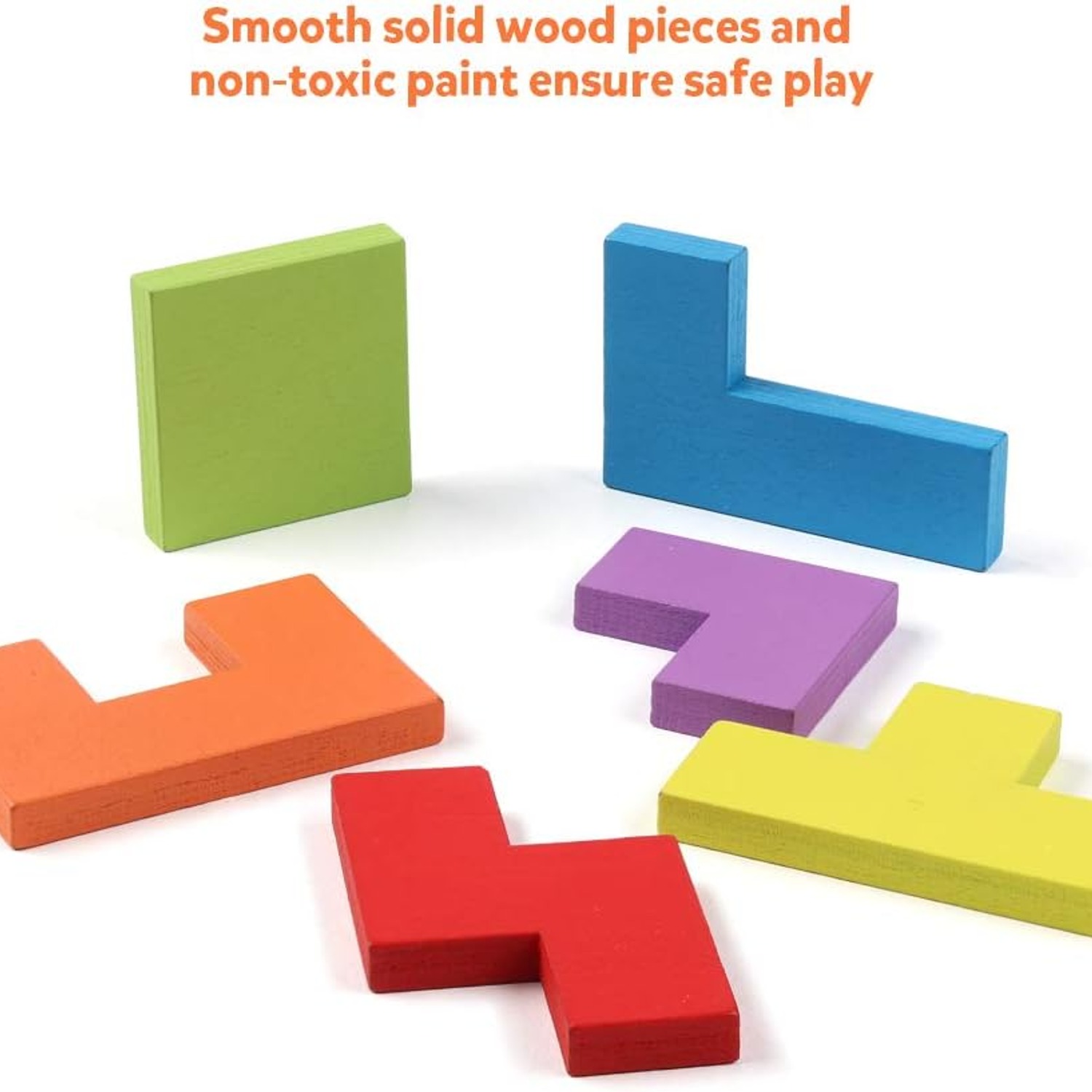
The listed contents are 40 wooden blocks, a board and a manual. The blocks come in various colours, although the maker does not give an exact colour breakdown. It also does not state how many pieces share each shape.
That distinction matters when comparing a forty piece puzzle with a conventional picture jigsaw. Here, the focus is on geometric blocks and their arrangements. The product is classified as a jigsaw, but it also lists tangram as a feature and includes suggestions for making shapes.
No separate storage bag or carrying case is specified. If keeping every piece together matters to you, plan a suitable storage place rather than assuming an extra container is included. Keep the manual with the set so it is there when you need it.
How the block arrangement works
Play is manual. You pick up a block, change its direction and place it beside other pieces. The board gives you an area for trying arrangements, while the shapes give you something to compare and adjust.
One way to start is to look at the empty space rather than the whole collection. Which piece could fit that gap? Would it work better after a turn? If the fit is wrong, lift it out and try another. There is no need to rush through those choices.
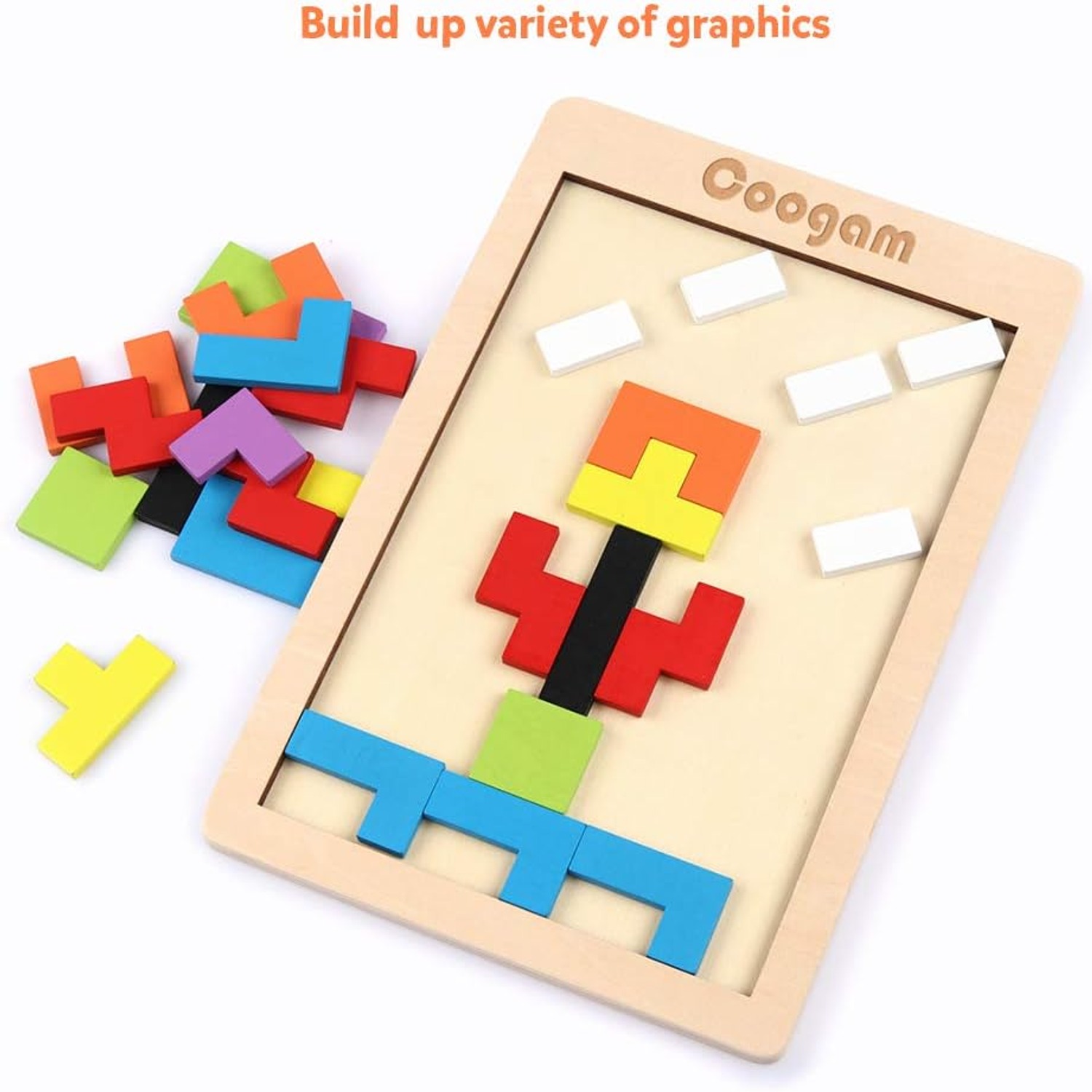
You can also use the pieces for shape-building ideas. The maker suggests objects such as a tree, flower, umbrella and airplane. Treat those as prompts for an activity, not as a promise that separate models or step-by-step plans for each design are included.
The manual is supplied, but its full contents are not described. Check it before deciding how closely you want to follow the suggested play.
Is this a tangram or a 3D puzzle?
Product search terms can cover rather different activities. A wooden tangram puzzle often brings to mind a small set of geometric pieces arranged into outlines. This product has 40 blocks, so it should not be confused with a traditional seven-piece tangram.
The phrase 3D wooden puzzles can suggest an upright model that you build and display. The facts here describe blocks and a board. They do not confirm a standing construction model, moving mechanism or interlocking sculpture.
Think of this as a wooden board puzzle with shape-arrangement options. That is a more useful starting point than relying on the broad search phrase alone. If your main goal is to build a display model, the listed contents do not establish that this is the right choice.
Who it may suit
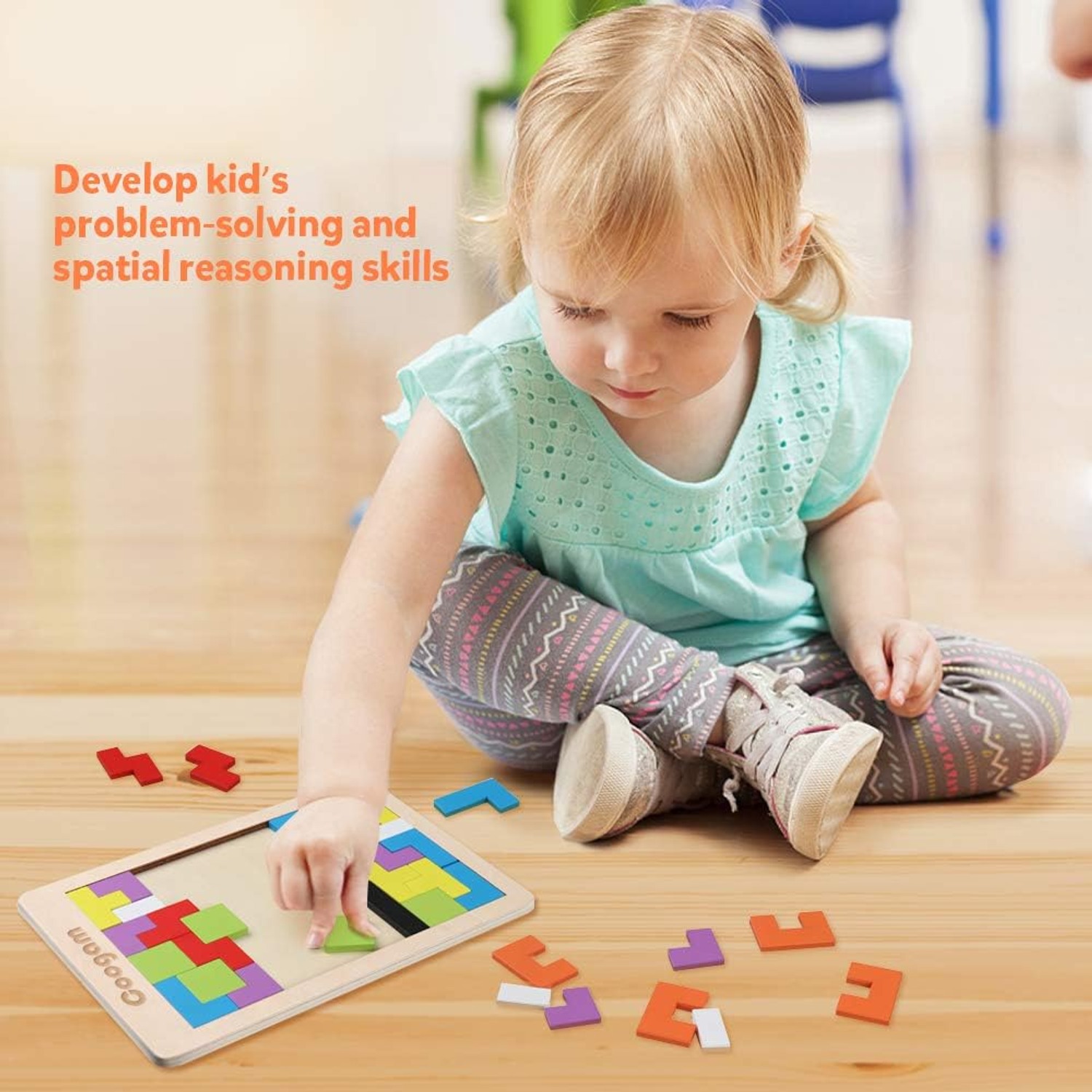
The recorded skill level is beginner, and the age category is children. That makes it worth considering for a child who already enjoys working with physical shapes, provided the packaging guidance is suitable for them.
The exact minimum age is not stated by the maker. Neither are individual block measurements. Although the maker uses toddler gift wording, that wording does not replace a clear age recommendation or the warnings on the actual packaging.
For a younger recipient, check those details before handing over the pieces. If you need a confirmed age rating before purchase, ask for it rather than guessing from photos or the broad children's category.
The maker also suggests adult use. An adult who likes a simple block arrangement puzzle may find the format appealing, but the set is still listed at beginner level. It is not described as an expert brain teaser.
Single-player play and shared time
The listed number of players is one. There are no competitive rules, scoring system or team format described in the maker's description. Choose it as a single player puzzle rather than expecting a ready-made group game.
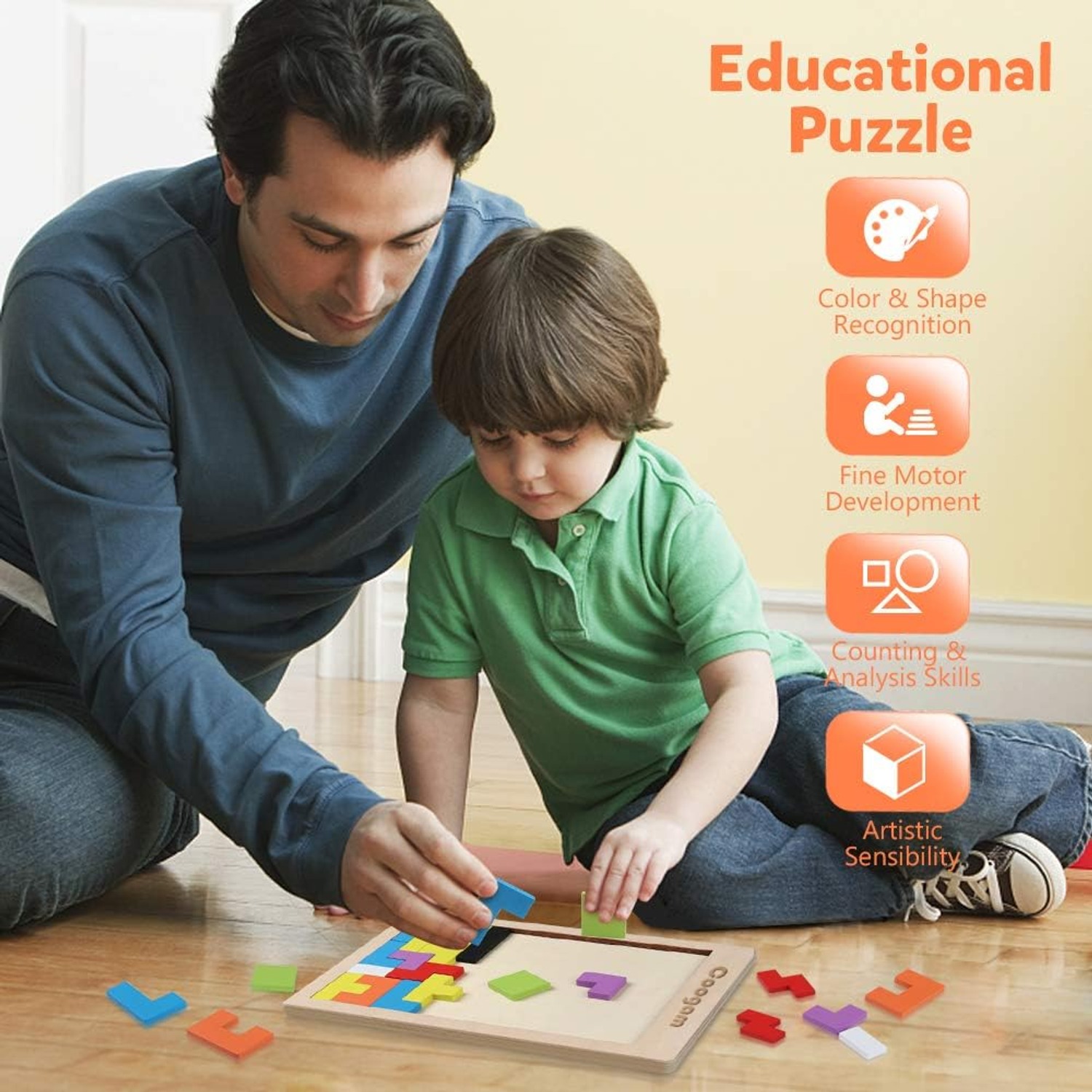
An adult can still sit nearby while a child looks through the pieces. You might ask which shape they want to try next or let them explain an arrangement. That is a way to share the activity, not an extra game mode supplied with the set.
It also helps to leave room for different approaches. One person may want to work within the board. Another may prefer trying a flower outline first. Read the manual, then choose an approach that fits the user's interest and the product guidance.
Understanding the size information
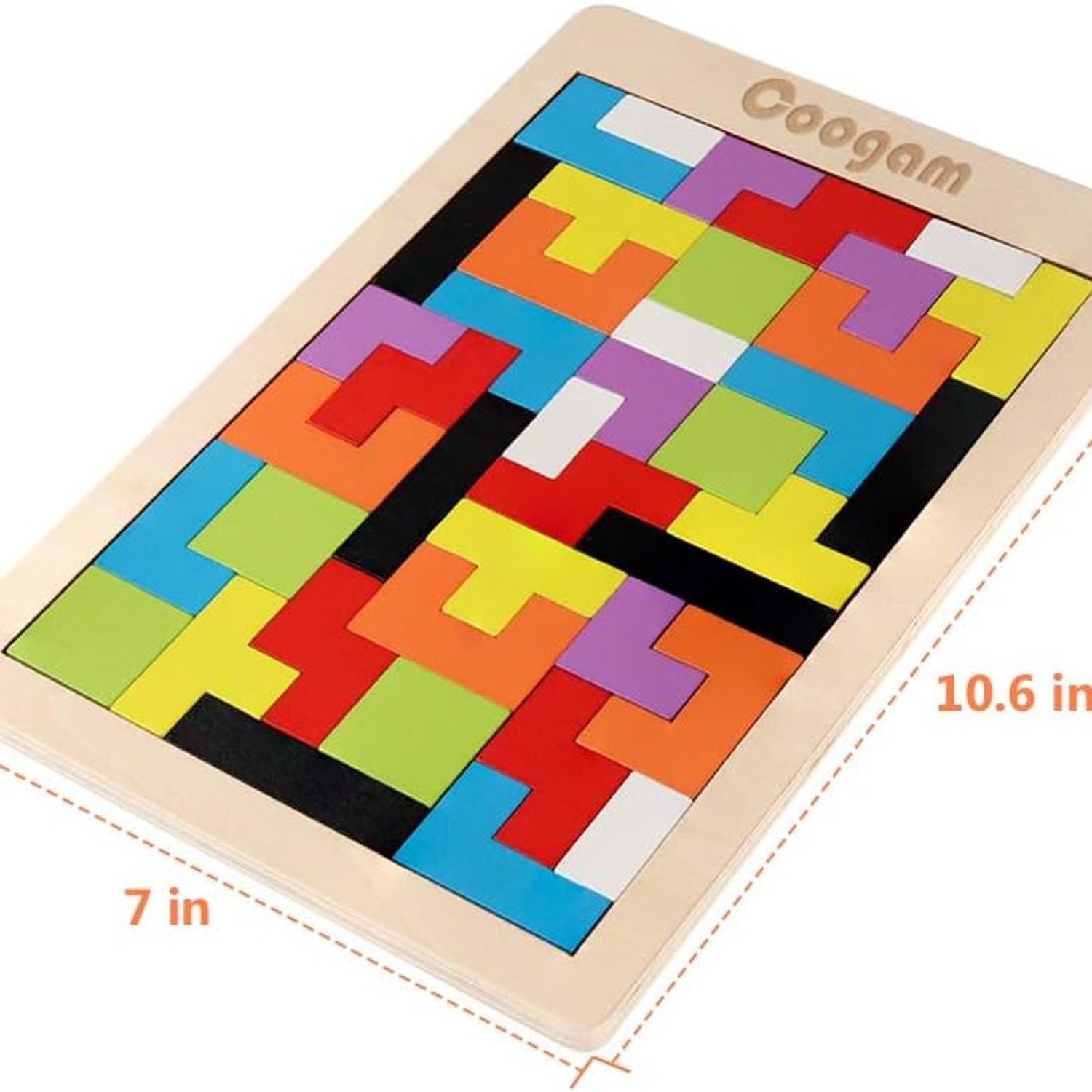
The recorded item dimensions are 17.8 × 26.9 × 0.1 cm, and the listed weight is 226 g. Those are the figures supplied for the maker's description.
They do not give you the size of each block. You should not use the overall dimensions to judge piece size, grip or suitability for a particular child. The maker's description also does not clearly explain which part of the set the thin height measurement describes.
If exact board depth, storage clearance or individual block size will decide your purchase, request confirmation first. It is better to settle a measurement question before ordering than to assume that a photograph shows scale accurately.
For planning play space, allow room beyond the board for loose pieces. A clear surface lets you see the available shapes without having to pile them on top of one another.
Choosing by activity rather than promises
A geometric shape puzzle gives the user something concrete to do. They can compare edges, rotate pieces and see how one arrangement differs from another. Those actions describe the activity without needing to promise a particular result.
Logical thinking is the educational objective listed for this set. That is not the same as evidence of a measured improvement in schoolwork, attention or other skills. Choose it because the activity sounds suitable, not because you expect a guaranteed learning outcome.
The same care applies to claims about relaxation. Some people enjoy quiet manual activities, while others prefer a different kind of play. The maker does not establish a health or therapeutic benefit.
A useful buying question is simple. Does the recipient enjoy trying shapes in different positions? That tells you more about likely interest than a long list of broad benefits.
Setting up an indoor puzzle activity
This set is listed for indoor use. Choose a dry, clear surface where the pieces are easy to see and are unlikely to be knocked away.
Before starting, look through the manual and check that the contents are together. Spread out the colourful wooden blocks enough to see their edges. Keeping the board within easy reach makes it simpler to move between choosing a piece and testing its position.
There is no stated completion time. You do not need to turn the activity into a timed challenge unless you want to set your own informal goal. A short attempt at one shape may be enough for one session.
When stopping partway through, gather the unused pieces too. A wooden jigsaw puzzle is easier to return to when its parts have stayed together.
Caring for the wood and keeping track of pieces
For routine care, use a soft, dry cloth. Avoid soaking the wooden blocks or board, and let any damp surfaces dry before putting the set away.
No special cleaning treatment is specified. There is no reason to assume that the finish can tolerate strong cleaners, long contact with water or outdoor weather. Keep care simple and follow any additional instructions supplied with the product.
Check the condition of the pieces before use. Store them with the board and manual in a dry place. Counting the 40 blocks when packing away can help you notice a missing piece while you still know where play took place.
Buying it as a gift
A puzzle gift for children works best when it matches a known interest. This set may be worth considering for someone who likes shape building blocks, rearranging pieces or beginner brain teasers.
Check age guidance first, especially when buying for someone else's child. Do not assume that a general gift description settles suitability. It is also sensible to confirm whether the recipient wants open-ended arrangement play or a picture puzzle with one defined scene.
Delivery timing is not specified by the maker, so check the delivery information before planning around a birthday or holiday. The supplied return terms allow 14 days from delivery for an unused, complete item in its original packaging.
The short version
This is a manual, 40-piece wooden block set with a board and manual. It offers beginner-level arrangement play for one player, with no batteries required.
Choose it for hands-on shape play, not as a confirmed upright 3D model. Check the exact age guidance and any essential measurements before ordering, then keep the pieces together for the next session.